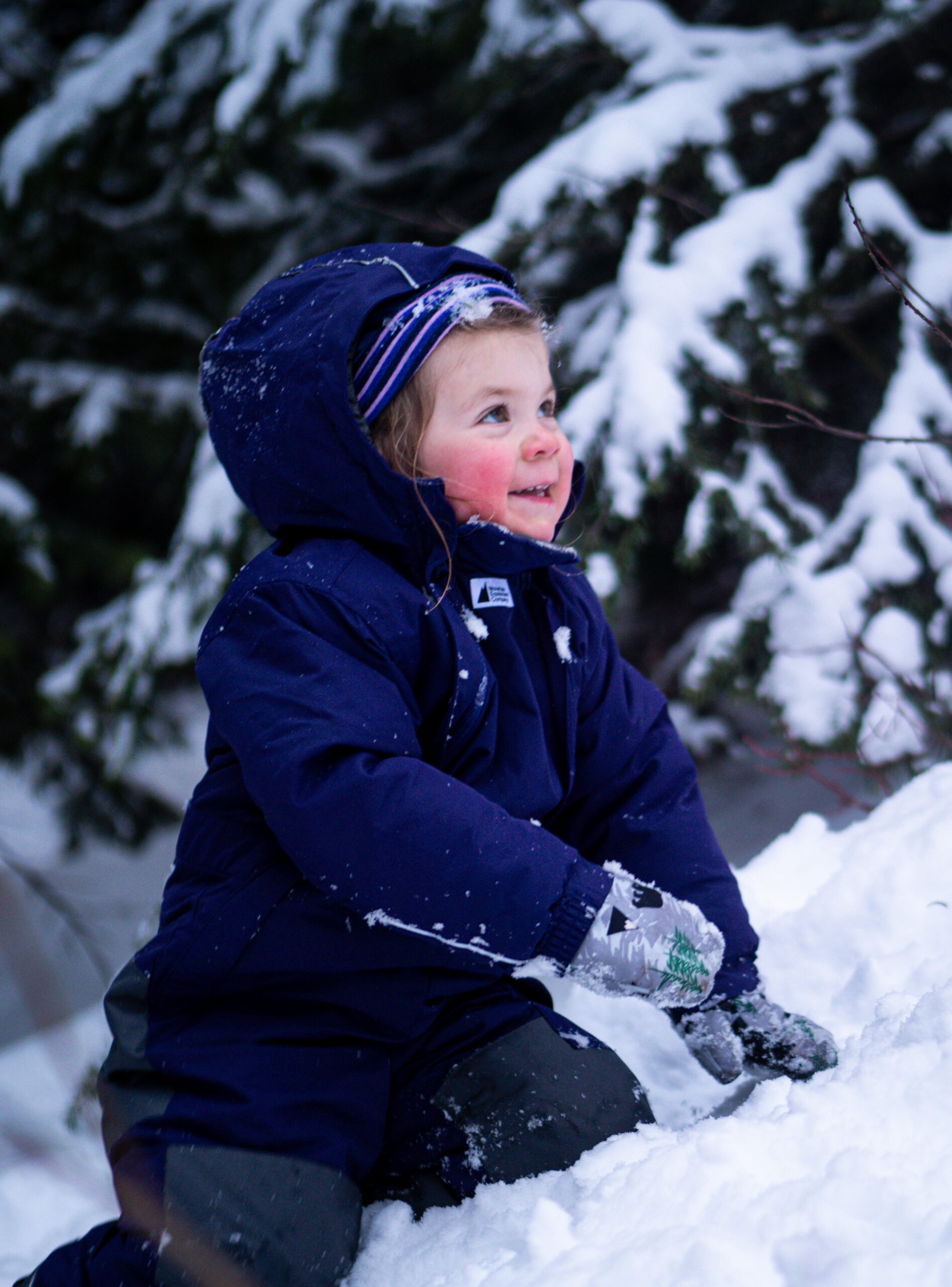
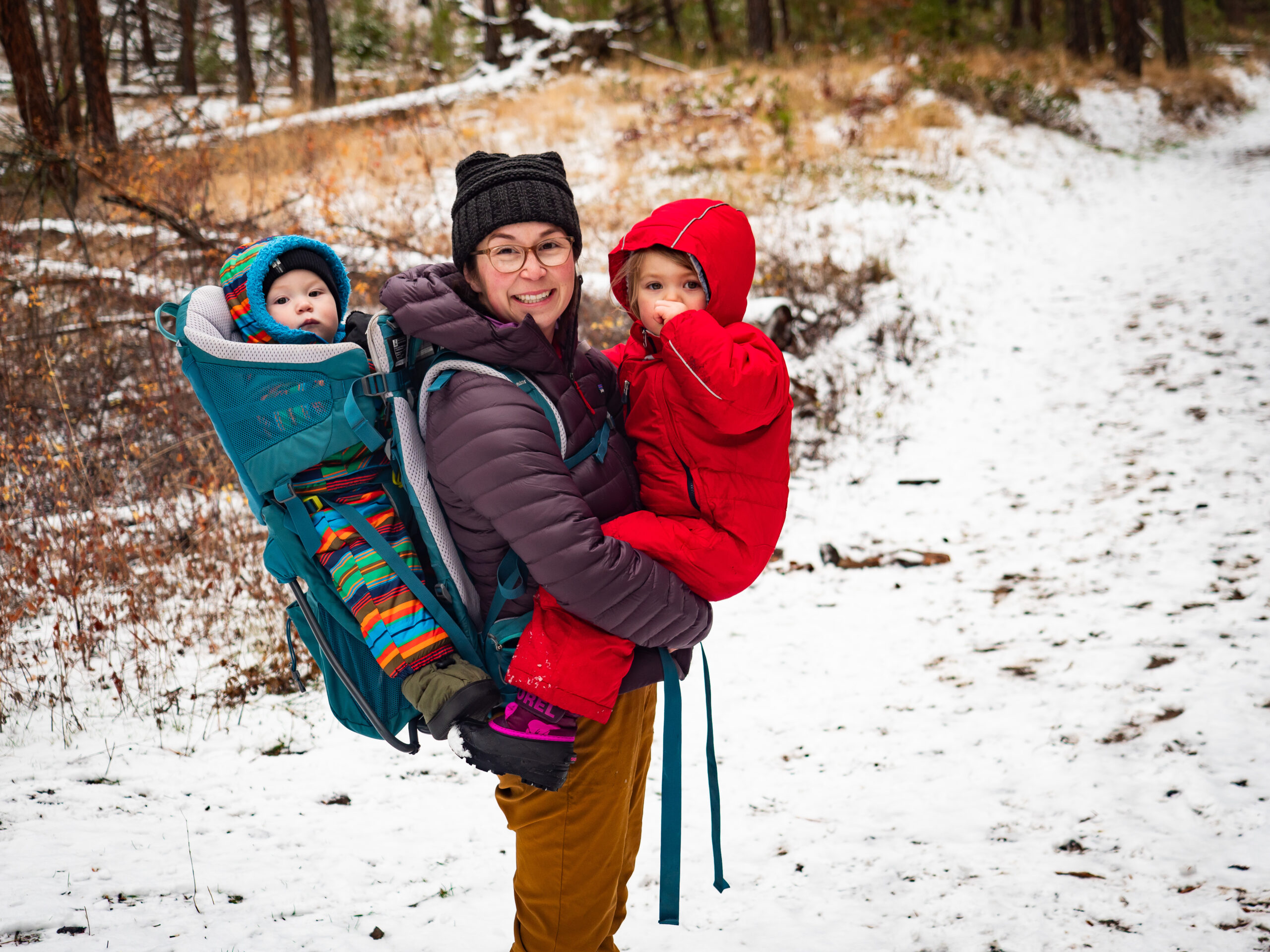
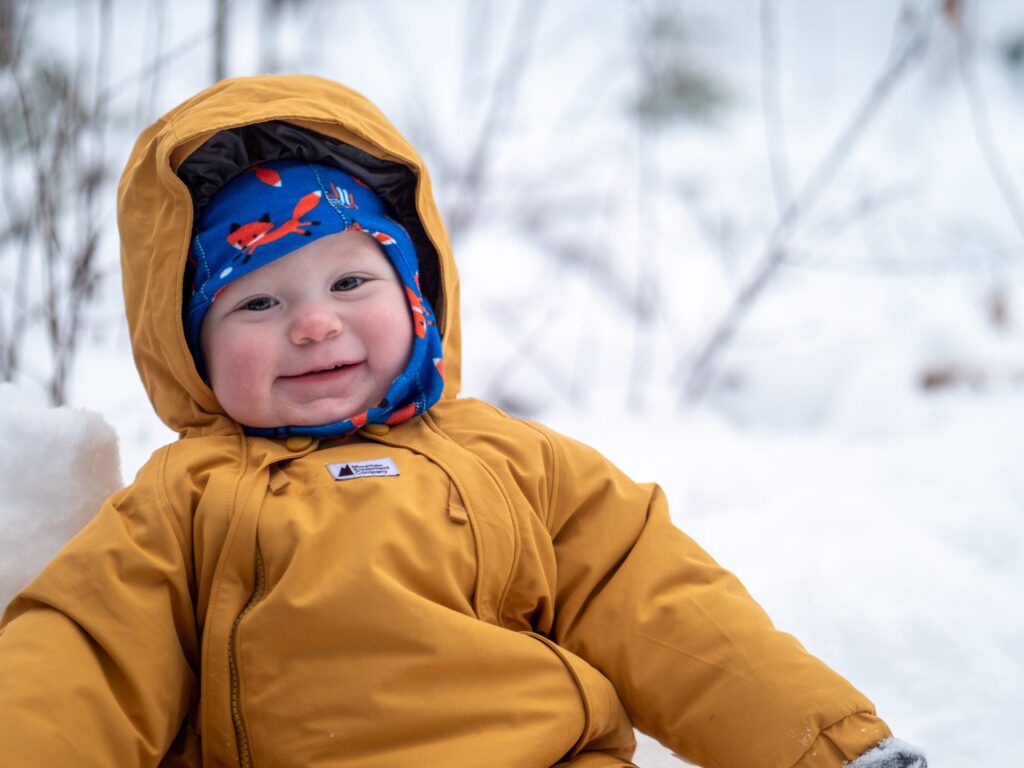
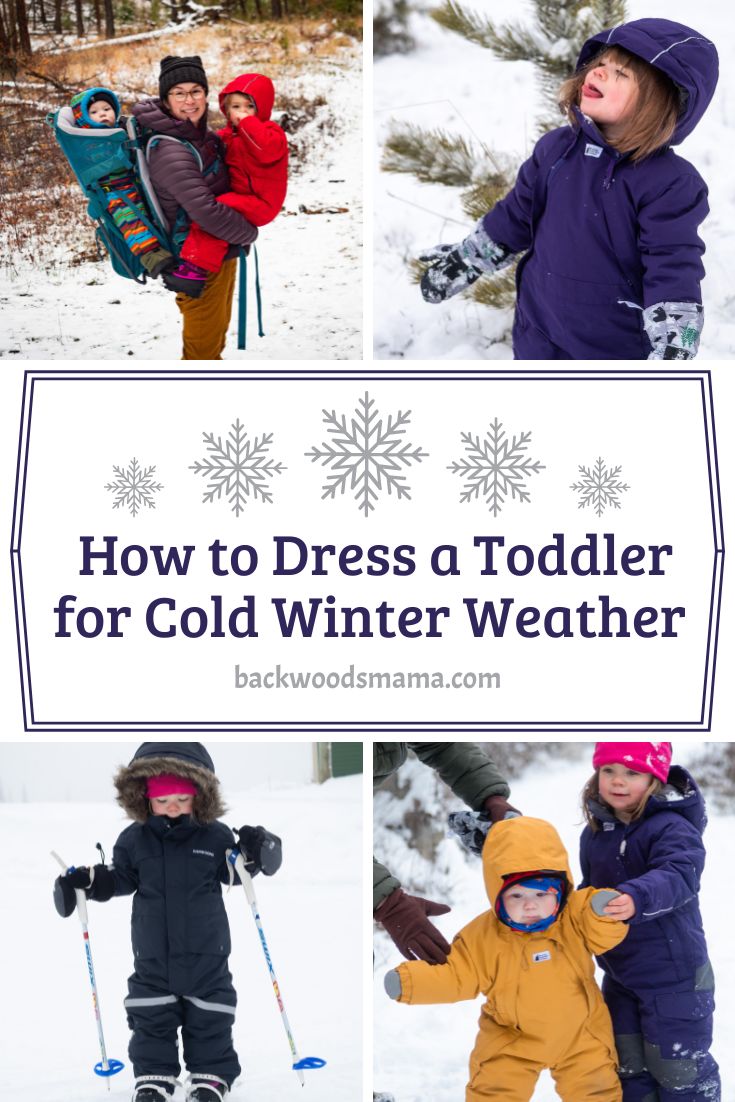
How to Dress a Toddler for Cold Winter Weather

how to dress a toddler for cold winter weather

How to Dress Your Toddler for Cold Winter Weather (Layering Guide for -20°C and Beyond)

“How should I dress my toddler when it’s cold outside?”

If you’ve ever stood at the door staring at the thermometer (or the weather app on your phone) while your toddler bellows “OUTSIDE!” like it’s a life-or-death mission… and you’ve felt totally paralyzed about how to dress a toddler for cold winter weather, you’re not alone. 

Right after “How should I dress my baby when it’s cold outside?”, “How should I dress my toddler when it’s cold outside?” is one of the most common winter questions I get from parents, caregivers, and grandparents because toddlers are a whole different category than babies. They move more, sweat more, fall more, and somehow always manage to get snow inside their clothes. How does that even happen?

After raising five little Canadians through real winter — snow, wind, ice — I’ve learned that keeping toddlers warm outside isn’t just about piling on layers. Before we jump into the how-to, here’s the reassurance you probably came for. 

Yes, it is safe for toddlers to go outside in cold winter weather

As long as they’re:

  • dressed in the right layers
  • protected from wind + wet
  • checked regularly for signs they’re too hot or too cold

This post may contain affiliate links. As an Amazon Associate, MEC, Jan & Jul and Reima Affiliate, I earn from qualifying purchases at no extra cost to you. Thanks for supporting the blog!

Trying to get outside more this winter with your littles?
My book, Beyond the Front Door: Embracing Nature for a Happier and Healthier Family (publishing February 2026), is filled with gentle seasonal rhythms, simple outdoor prompts, and realistic ways to build a nature habit with kids—even on cold winter days. Learn more here →

A Little Backstory: Growing Up in Real Winter

I was raised in the northern interior of British Columbia, Canada, where winter tends to be cold, snowy, and long. My parents brought me and my siblings outside all winter long, even as babies and toddlers. It was only deemed “too cold” when the thermometer dipped below -35°C (-31°F), and even then we would sometimes pop outside for a quick romp in the snow to get our wiggles out.

My first three children were born in that same hometown, so I learned quickly how to dress a toddler for cold winter weather. Thankfully, winter gear for littles has improved a lot since I was a kid, but the basics are still the same: layers!

Those childhood winters, and now years of dressing my own kids, are what I draw on when I help other families figure out how to dress their toddlers for cold weather.

In this post, I’ll walk you through:

  • how to dress a toddler for cold winter weather in base layers, mid layers, and outer layers
  • The best accessories to keep little fingers, toes, and faces warm
  • A simple layering cheat sheet by temperature
  • How to check if your toddler is too hot or too cold (and what to do if they’re sweaty)

First: Toddlers Are Not Babies

Babies are mostly still when you take them out into winter weather. They’re tucked into a stroller, carrier, or sled — all cozied up in a snowsuit-burrito situation.

Toddlers? Different story. They:

  • run hard, then suddenly stop and stand still
  • fall a lot (especially with all that winter gear)
  • sit in snow, roll in snow, and somehow get snow up their back and into their boots
  • refuse mittens… and then immediately announce their hands are freezing
  • need to go potty right after you get them fully dressed

So learning how to dress a toddler for cold winter weather means planning for all these fun realities, while still keeping them warm and dry.

How to Dress a Toddler for Cold Winter Weather : Think in Layers

Here’s the simple framework that works for most winter days:

  1. Base layer – next to skin, keeps sweat off the body
  2. Mid layer(s) – warmth/insulation
  3. Outer layer – windproof + waterproof shell
  4. Accessories – head/neck/hands/feet protection (the make-or-break stuff)

Once you start thinking in layers, winter gets a lot less confusing.

Beyond the Front Door Book

Preorder My Book (Coming February 2026!)

Beyond the Front Door: Embracing Nature for a Happier and Healthier Family

If you’re figuring out how to dress a toddler for cold winter weather, you’re already doing the brave work of getting outside when it would be easier to stay in. Beyond the Front Door is written for families like yours. Inside you’ll find gentle guidance, research-backed encouragement, and seasonal ideas that make it feel more doable to step outside, even on cold days.

Join the launch list
 Preorder on Amazon

Base Layers for Toddlers: Start Next to the Skin

What’s all the hype about base layers? Are they really necessary?

Short answer: For cold winter weather—yes. Toddlers run hard, sweat fast, then stop suddenly (usually to examine a stick). If it’s below freezing, windy, wet, or you’ll be outside longer than a quick dash, base layers are one of the best ways to keep your toddler comfortable. If you’re just going from the house to the car and back again or it’s hovering around freezing. You can usually skip them.

What does a base layer do?

The base layer is the clothing that sits right next to your toddler’s skin. Its job is to:

  • Wick moisture away (from sweat, snow that sneaks in)
  • Help regulate body temperature so they don’t swing from “overheated” to “shivering”
  • Add warmth without bulk (so they can still move and play)
  • Keep them comfortable under all that winter gear (less scratchy, less bunching, fewer complaints)

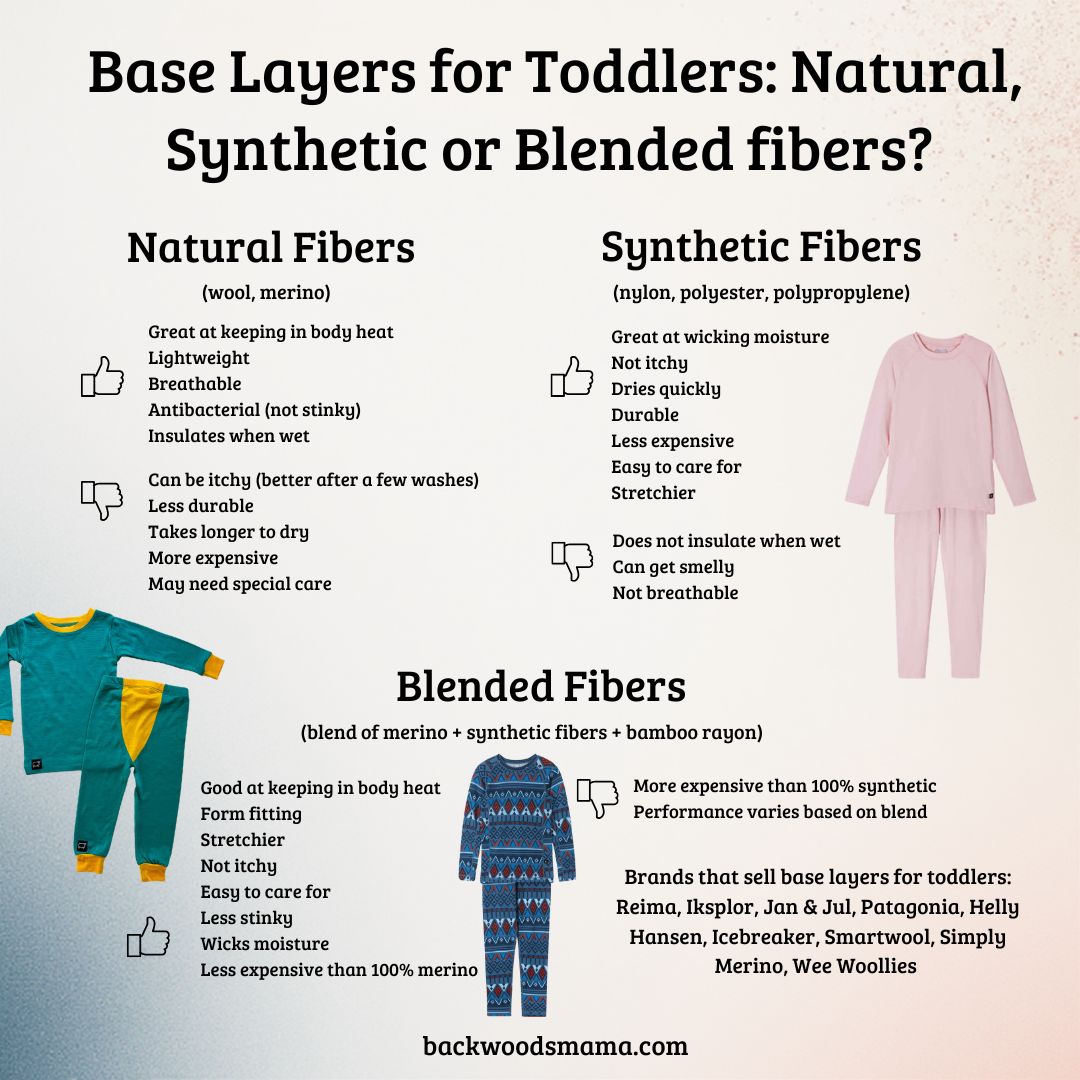
Best fabrics for toddler base layers

Base layers are typically made from:

  • Natural fibres – merino wool, wool blends, bamboo/viscose blends
  • Synthetic fibres – polyester, nylon, spandex (quick-drying and durable)
  • Blends – a mix of natural + synthetic (often the best of both worlds)

Each has pros and cons, but there’s one simple rule that will take you far:

Avoid cotton as a base layer in cold winter weather. Cotton is fine if the weather is mild but not great in cold winter weather. Cotton holds onto moisture. Once it’s damp (from sweat or snow), it stays damp and damp makes toddlers cold fast. Choose wool, synthetics, or blends instead.

What we’re using right now

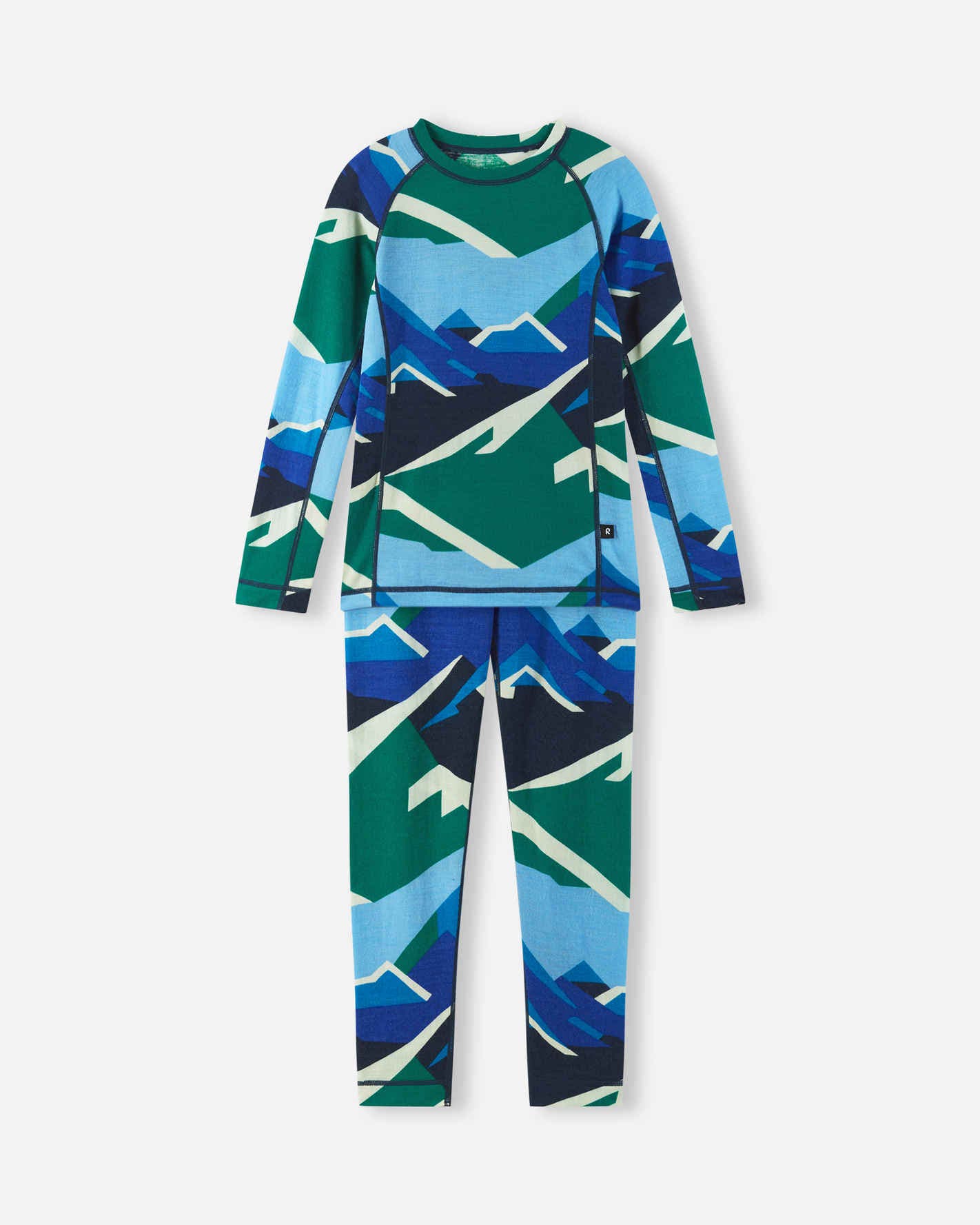
Over the years I’ve tried a variety of base layer brands and types with my kids. This winter, my toddler is wearing Reima Taitoa base layers. They’re a blend cozy merino wool with silky, breathable lyocell and a touch of durable synthetic fibre and I’m really happy with them. These base layers have been my go-to for the last five years. My littles loves them too.

I’ve also used straight merino wool base layers a lot over the years and they are wonderful: warm, breathable, and they don’t get that “weird smell” problem nearly as fast. The only catch, they can be pricy!

Money-saving tip: I regularly find gently-used merino and other base layers at thrift and consignment stores. It’s always worth a quick look through the kids’ section before buying new.

Mid Layers for Toddlers: Add Insulation (Without Overheating)

After base layers comes the mid layer (also called the middle or insulating layer). This is the warmth “sandwich” between the base layer and outerwear, and it matters a lot once temperatures drop below freezing, especially if there’s wind.

The tricky part with toddlers is that they’re not like babies. They generate a ton of heat while they’re running around… and then cool down fast the second they stop. That’s why the best mid layers for toddlers are warm and breathable, and easy to adjust.

What does a mid layer do?

The mid layer’s job is to trap warm air close to your toddler’s body while still letting moisture move outward. A good mid layer helps to:

  • add insulation (warmth) in freezing temperatures
  • reduce heat loss when the wind kicks up
  • keep your toddler comfortable during the “run hard → stand still” cycle
  • add warmth without making winter gear feel stiff or bulky

Mid layer options for toddlers

There are lots of great options for toddler mid layers. Some ideas:

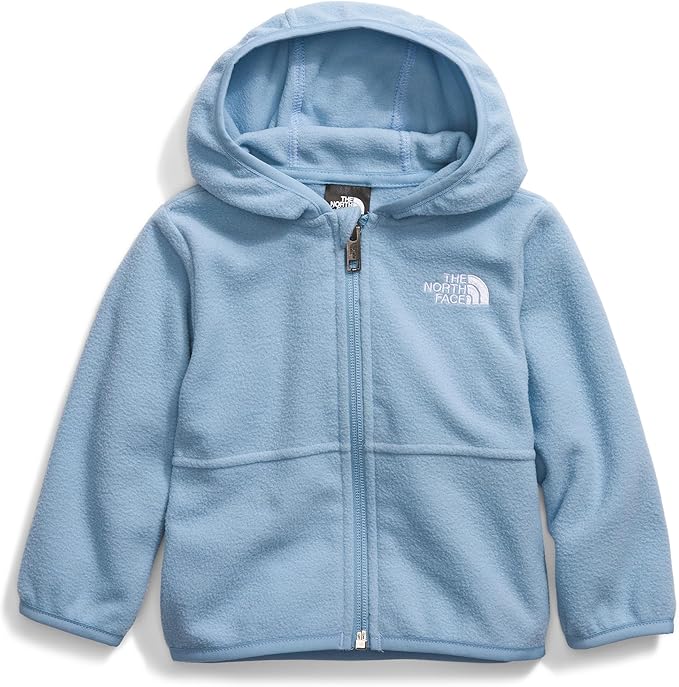
  • Fleece jacket + fleece pants
  • Fleece one-piece/jumpsuit (great under a snowsuit, and fast to throw on)
  • Wool sweater + pants
  • Polar fleece overalls (“polaralls”)
  • Hoodie + warm joggers (for milder winter days)
  • On very cold days: a light insulated “puffy” layer

You can use one mid layer or two, depending on how cold it is, how windy it is, and how hard your toddler plays. If they’re coming inside with damp hair or a sweaty neck, that’s your sign to reduce a layer next time.
 

Why I use fleece so much for mid layers

  • It’s easy to wash
  • It wears well
  • It dries quickly (which matters when kids are kids)
  • It doubles as outerwear in milder fall and spring weather

Money-saving tip: A simple fleece pajama set from a thrift store makes a fantastic mid layer. I often find them for just a few dollars.

Some cozy mid layer options we like:

Outer Layers: Snowsuits, Jackets, and Snow Pants for Toddlers

The outer layer, sometimes called the shell, is what protects your toddler from the two things that ruin winter fun fast: wind and wet.

Its job is to:

  • Block the wind
  • Keep out wet: snow, slush, and puddle-splashing
  • Add a final warm layer around your toddler
  • Hold up to real play (crawling, climbing, sliding, wiping out… repeat)

One-piece vs two-piece: what works best for toddlers?

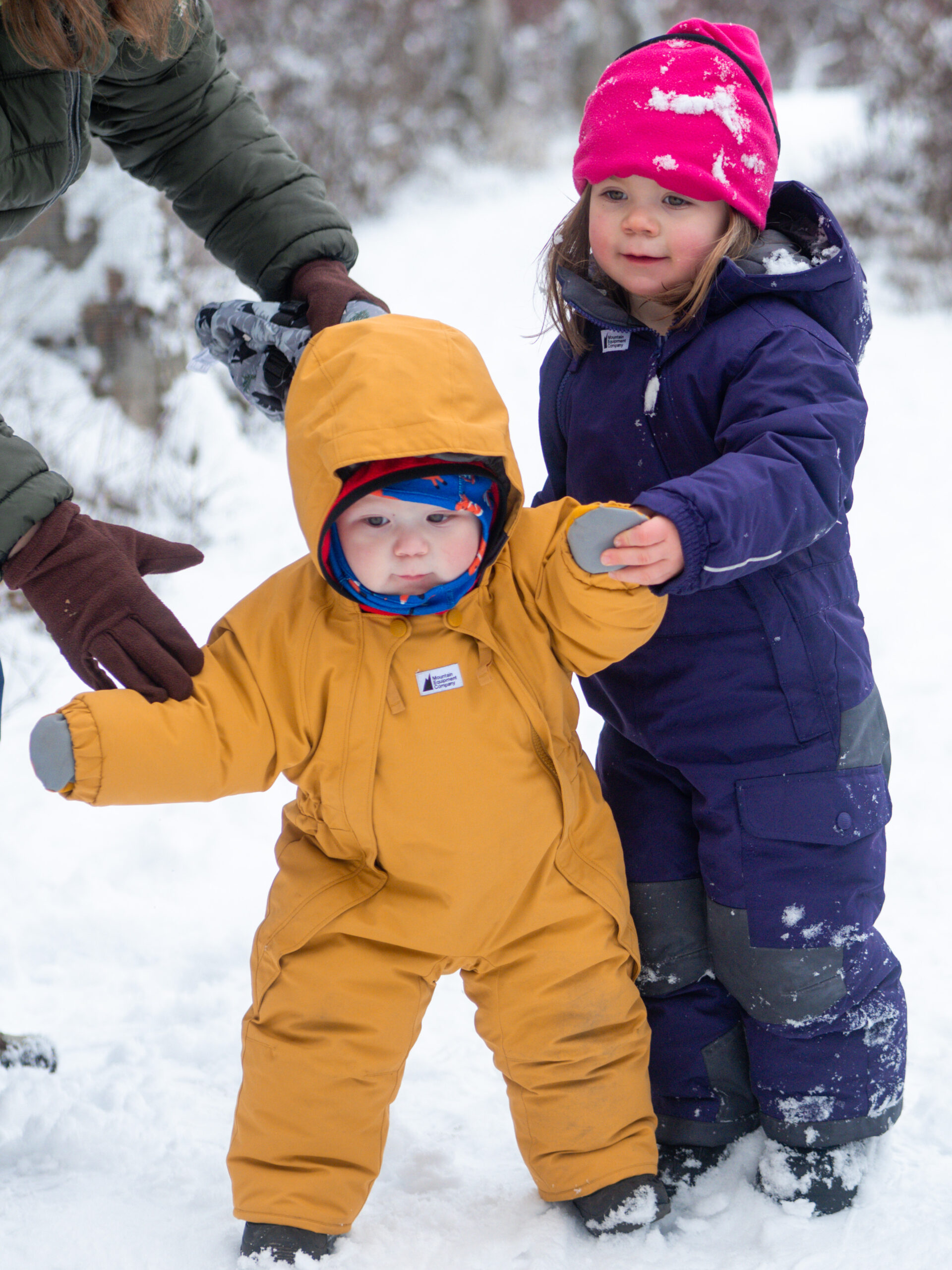
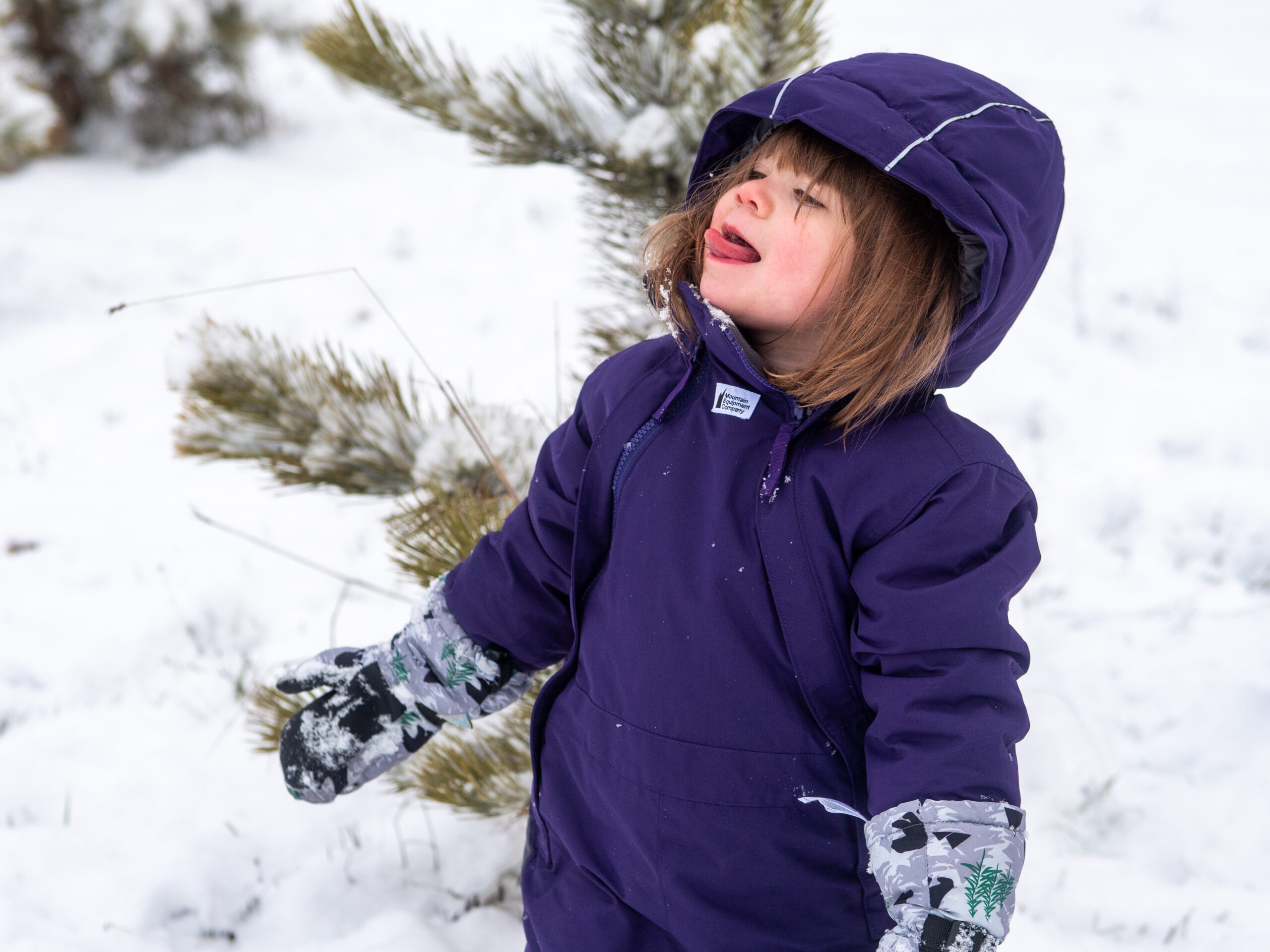
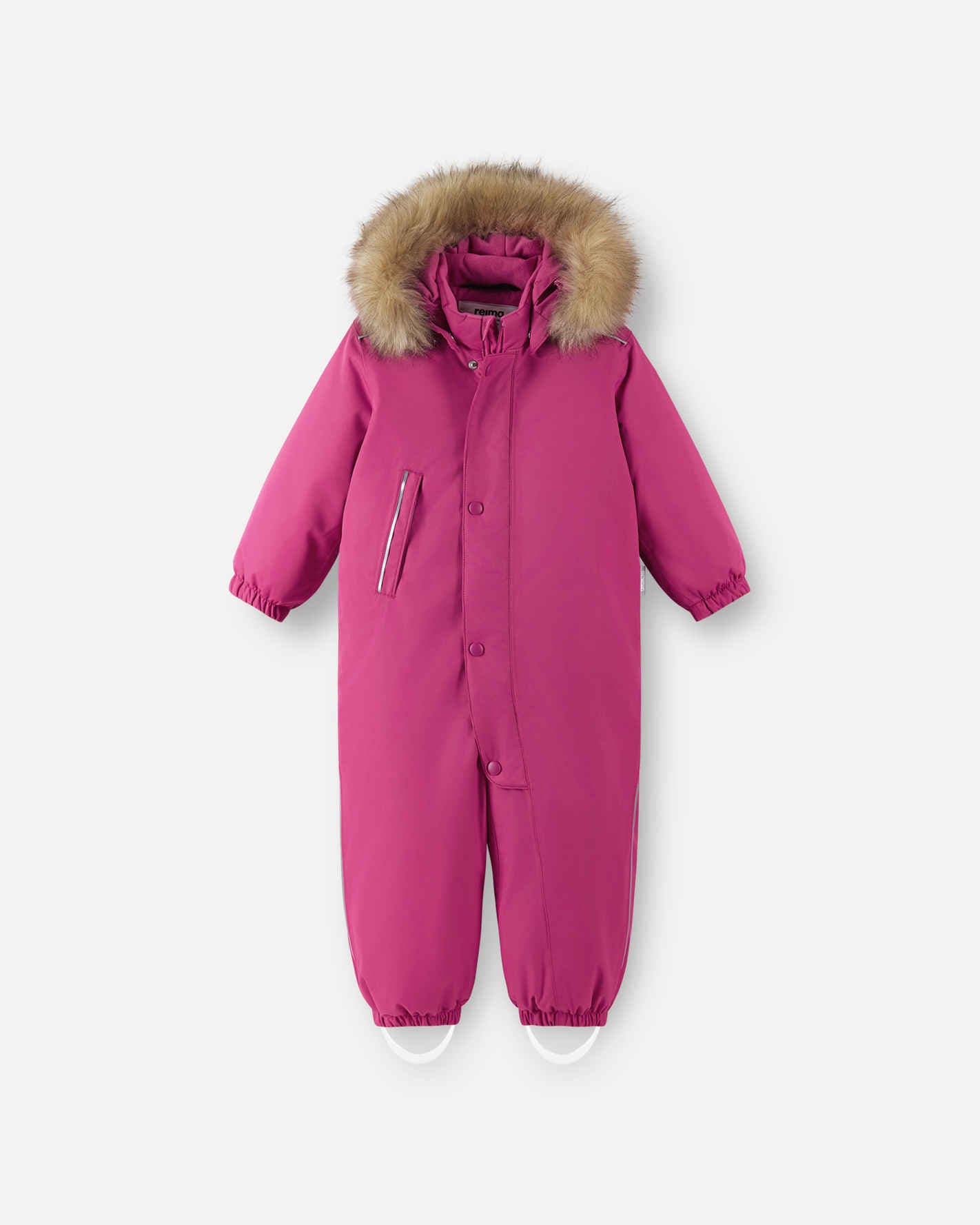
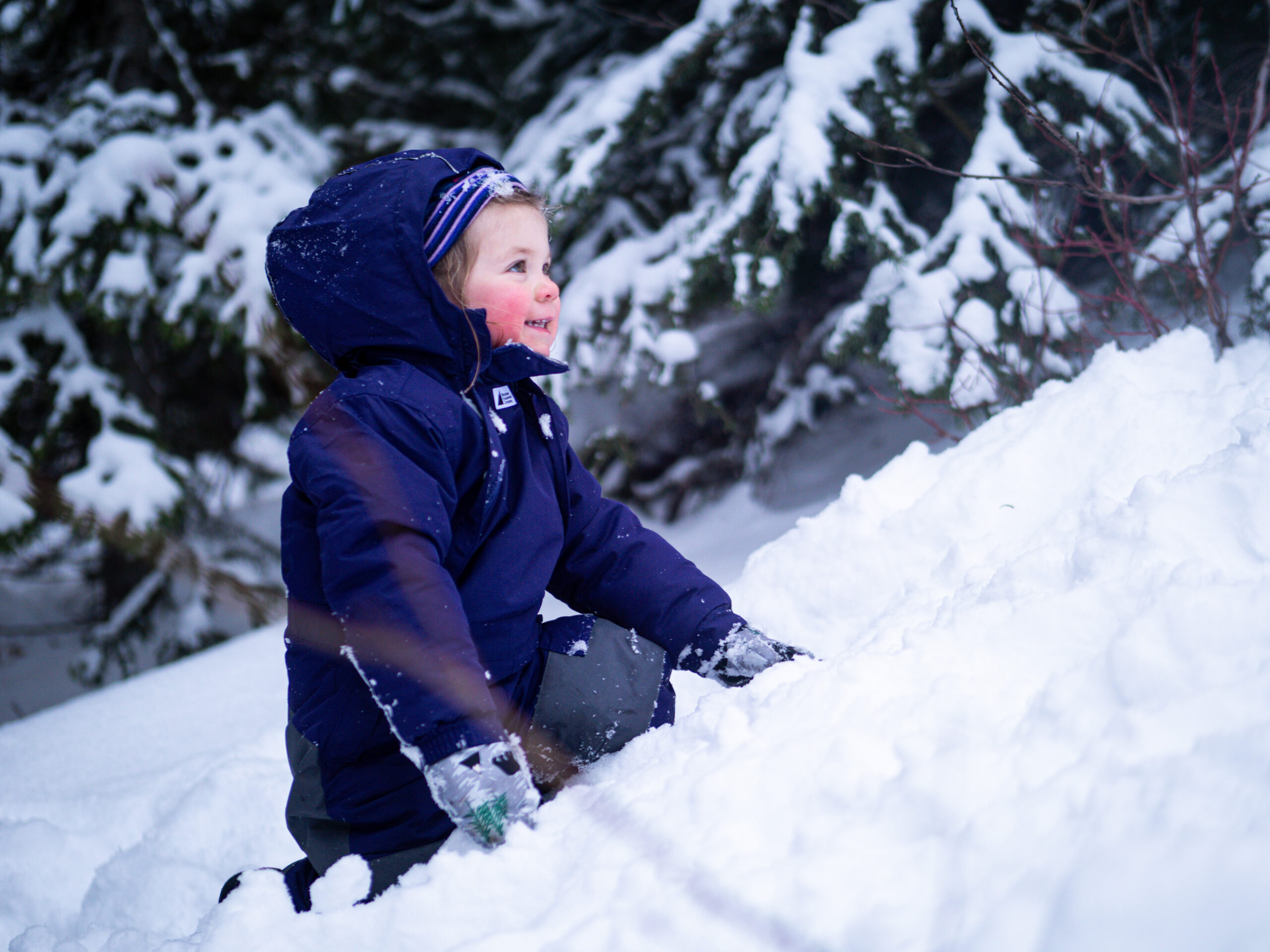
One-piece snowsuits are my favourite (hands-down!) for deep snow days, sledding, and toddlers who somehow always get snow up their back. There’s no jacket/pant gap, so it’s harder for snow to sneak in.

Two-piece sets (winter jacket + bib snow pants) can be easier for potty breaks, especially once your toddler is just out of diapers. If you go two-piece, I strongly prefer bib snow pants over waist-high pants because they help block snow better.

What to look for in toddler outerwear

  • Waterproof (not just “water-resistant”) if you live where snow is wet or slushy this is key!
  • Sealed/taped seams if your kid loves sitting in snow
  • Reinforced knees + bum (this matters for toddlers)
  • Boot gaiters or snug ankle cuffs to help keep snow out of boots
  • Room to layer underneath without feeling tight
  • Easy on/off zippers (because toddlers have no patience)

My highly-rated toddler outerwear picks (that hold up in real winter)

  • MEC Toaster Suit (Children) – This is a workhorse one-piece suit for real Canadian winter play. I love the rugged shell and the reinforced knees/bum/ankles that help it survive season after season. My kids have grown up wearing these suits. If you want details, here’s my full review: MEC Toaster Suit Review →
  • ReimaTec Gotland – Toddler Waterproof Snowsuit – Great for wet snow and active kids, with solid waterproofing and breathable fabric. This snowsuit is much loved by parents of toddlers. Shop Gotland here →
  • ReimaTec Moomin Lyster – Toddler Waterproof Snowsuit – Similar vibe to the Gotland: warm, waterproof, and made for active play. Also a parent favorite. Shop Moomin Lyster here →
  • Therm Kids Snowrider One Piece Snowsuit – A warm, windproof one-piece that’s built for snow play and has extra durable fabric at the knees/seat. Currenly using this snowsuit for my 3-year-old. Shop Snowrider here → (use code MAMA10 to get 10% off purchase (Canada only) when you shop through this link)

Money-saving tip: Toddlers still fast, and outerwear is often one of the best things to buy secondhand. Check your local thrift/consignment store and Facebook Marketplace first, you can find great suits with lots of life left in them.

A quick note about car seats and snowsuits

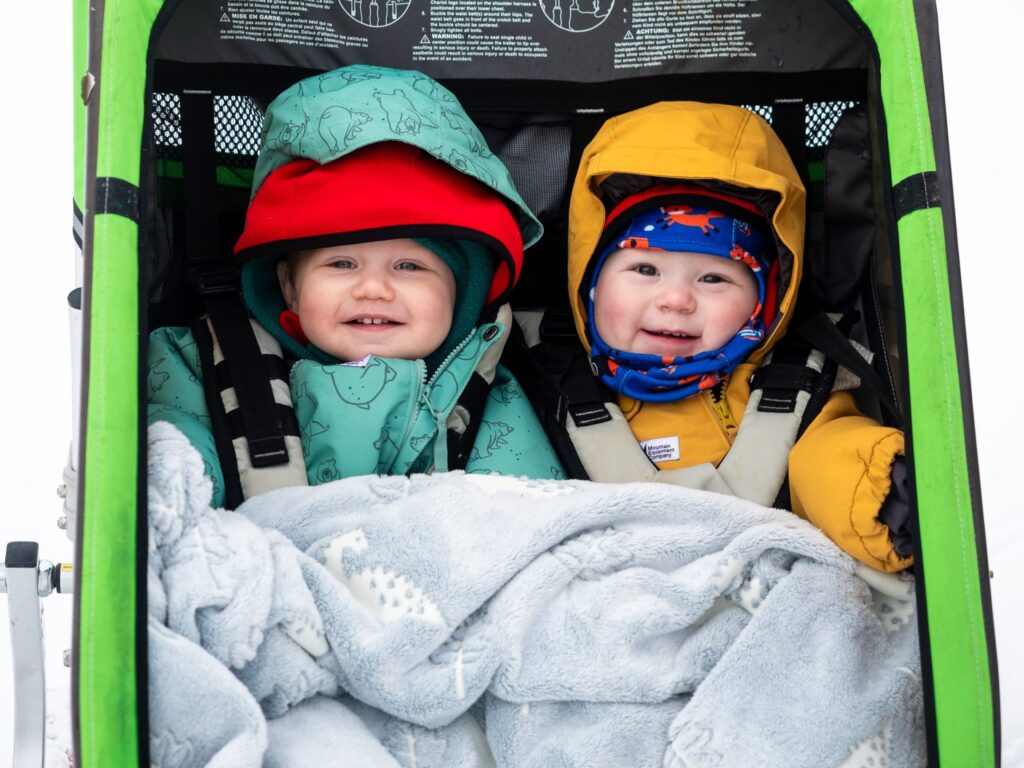
Very bulky winter coats and snowsuits are not recommended under a car seat harness because the harness can feel tight when you buckle it, but the puffy material compresses in a crash and creates dangerous slack.

For car rides, it’s usually safer to:

  • Dress your toddler in thin, snug layers (base + light mid layer, like fleece)
  • Buckle them in securely (snug harness)
  • Add warmth over the harness (blanket, or their coat worn backwards once buckled)

Always follow your specific car seat manual and local safety guidelines.

MEC Toaster Suit Review: The Winter Workhorse We Keep Coming Back To

If you’re looking for a snowsuit that can handle real Canadian winter—wet snow, wind, and hard play—the MEC Toaster Suit is one of the most solid options we’ve used. In my review, I share what’s great, what’s not, how it fits, and whether it’s worth the price (especially if you’re shopping used).

Read the Toaster Suit review →

Winter Accessories for Toddlers: The Make-or-Break Stuff

With toddlers, accessories can make the difference between “We stayed out forever!” and “We lasted six minutes.” Warmth matters, of course, but for toddlers, dry matters just as much. Wet mittens and boots end winter fun fast.

Here’s what you’ll want:

  • Waterproof mittens (preferably long-cuffed)
  • Warm socks (wool or wool-blend if you can)
  • Insulated waterproof boots
  • Toque/beanie and/or balaclava
  • Neck warmer/gaiter (not a long scarf)

1) Head + neck: block wind without the fuss

A good toque/beanie that covers ears is usually enough on milder days. On windy or very cold days, a balaclava is magic, especially for kids who somehow get their hat off the second you turn around.

  • Toque/beanie: warm, ear-covering, stays put
  • Balaclava: covers head + ears + neck in one piece (less shifting)
  • Neck warmer/gaiter: easy warmth without the dangling ends

Quick safety note: I avoid long scarves for toddlers.

2) Mittens: waterproof or bust

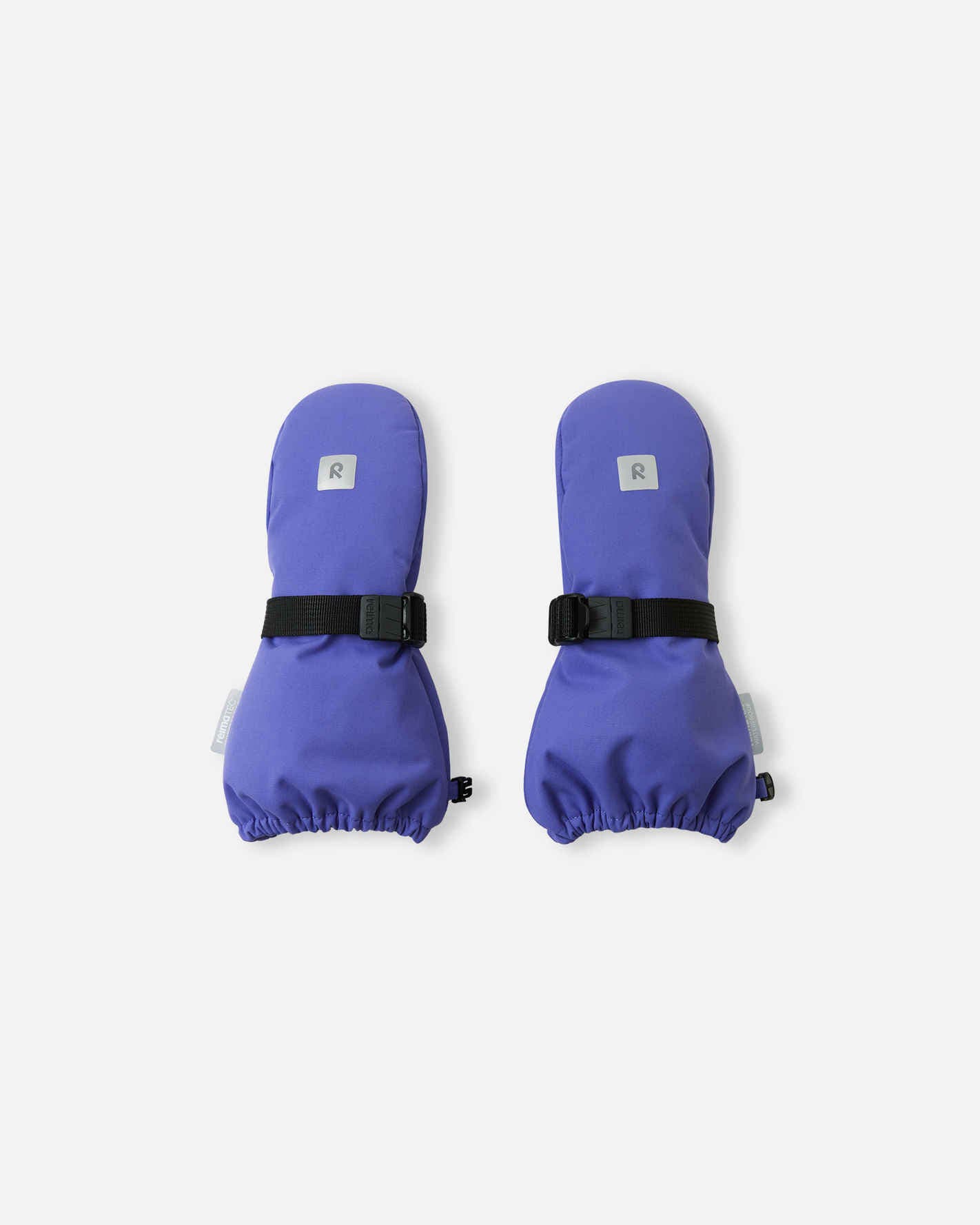
If your toddler loves digging, climbing, and sitting in snow, you want waterproof mittens with a long cuff. Short mittens fill with snow. “Water-resistant” mittens soak through. And once hands are wet, everyone’s done.

  • Look for: fully waterproof + insulated + long cuff (gauntlet style)
  • Easy-on matters: wide openings or a zipper makes a huge difference

Backwoods Mama tip: Stock up on mitts and always bring a spare pair on your adventures.

Waterproof mitten recommendations (tested favourites):

  • ReimaTec Ote (Waterproof Mittens) [BACKWOODS MAMA 2026 FAV ⭐] – Fully waterproof and extra warm, and they’re designed with grip in mind (because toddlers like to hold everything). See Ote mittens → 
  • ReimaTec Tepas (Baby & Toddler Waterproof Mittens) – Fully waterproof and very warm, and the long zipper makes them much easier to get on wiggly hands. See Tepas mittens →
  • Jan & Jul Kids Waterproof Mittens – Waterproof, insulated, and designed to stay on with wrist + sleeve adjustments. Great for wet-coast winter days and snow play. See Jan & Jul waterproof mittens →

3) Feet: warm socks + boots with room to wiggle toes

Cold toes are usually a boot fit issue (too tight) or a wet issue (snow getting in). You want boots that are waterproof, insulated, easy to get on, and roomy enough for warm socks without squishing toes.

  • Socks: warm and breathable (wool or wool-blend is great)
  • Fit check: make sure toes can wiggle—tight boots = cold feet
  • Dry matters: if boots get wet inside, dry them fully before the next outing

Toddler boot recommendations:

  • Sorel Snow Commander Toddler Boot [BACKWOODS MAMA 2026 FAV FOR COLD WINTERS⭐] – Top pick by many Canadian parents that live in areas with very cold winters. These boots are a bit bulky but very warm. See Soreal Toodler boots →
  • Kamik Snowbug 5 [BACKWOODS MAMA 2026 FAV FOR MILDER WINTERS⭐] – Waterproof bottom, cozy insulation, and a wide opening with an adjustable strap (which is honestly half the battle with toddlers). These are lighter in weight than sorels and great for winter weather down to -23C (-9.4F) See Snowbug 5 boots →
  • Stonz Winter Boots – A bunch of great options for Canadian winters, including lightweight insulated styles and warmer pull-on boots. See Stonz winter boots →
  • Bogs Baby Classic– A solid waterproof option that works well for wet winters (more rain than deep-freeze) Just be aware that these boots can be heavy and the neoprene section of the upper boot is not fully waterproof. See Bogs Baby Classic →

4) Bonus: chemical warmers (use carefully)

If it’s extra cold, hand/foot warmers can help but use them carefully as they can get quite hot: stick them on the outside of mittens/booties or on top of a sock, and never directly against skin. Some mitts even have special outside pockets for hand warmers. 

how to dress a toddler for cold winter weather

Protecting Toddler Cheeks from Windburn and Chapping

Cold air and wind can be brutal on toddler skin, especially cheeks and little lips. One simple trick that helps a lot is to apply a thick, protective balm before you head outside (think of it like a tiny wind barrier, not a fancy skincare routine).

Look for a balm that is:

  • Thick and waxy (not a light lotion)
  • Unscented and gentle
  • Designed for sensitive skin

Before you go out, gently smooth a thin layer over your toddler’s cheeks and the tip of the nose. If your toddler gets really chapped lips, you can add a tiny bit to the lips too—but keep it simple and avoid anything with “tingly” ingredients (those can sting and irritate).

Here’s a balm option that works well as a cold-weather barrier: Motherlove Everyday Baby Balm

A few quick tips:

  • Use a thin layer, more isn’t better (and toddlers will immediately try to wipe it off).
  • Avoid getting balm too close to the eyes, and try not to slather it right where they’ll lick it constantly.
  • If your toddler has very sensitive skin or eczema, do a small patch test first, or check with your healthcare provider for product-specific guidance.

How to Tell If Your Toddler Is Too Hot or Too Cold

Even with perfect layering, it’s still important to check your toddler regularly while you’re outside. The goal is to keep them warm and dry.

Signs your toddler is too cold

  • Cold chest or back of neck (don’t rely on hands and feet alone, they’re often cooler)
  • Shivering
  • Pale, blotchy, or very red skin (especially on cheeks, nose, ears)
  • Complaining they’re cold, suddenly wanting to be carried, or asking to go inside
  • Unusual tiredness, quietness, or clumsiness (a big red flag if it’s out of character)

If your toddler seems cold, add a layer, tighten up wind protection (neck/ears/mitts), swap wet mitts/boots, shorten your outing, or head inside to warm up. If you’re worried about hypothermia (very cold, very sleepy/confused, or shivering that won’t stop), treat it as urgent and get medical help.

Watch for frostnip/frostbite on exposed skin

Cheeks, noses, ears, fingers, and toes are the usual trouble spots. Early frostnip can look like red, cold, tingly, or numb skin. More serious frostbite can cause skin that looks white and feels hard or numb after rewarming—if you suspect that, get medical care.

Signs your toddler is too hot

  • Sweaty or damp neck, back, or hair (this is the big one)
  • Very flushed cheeks (beyond the normal “fresh air” pink)
  • Irritability/meltdowns that suddenly appear out of nowhere
  • Trying to unzip, pull off mittens/hat, or insisting they’re “too hot”

If your toddler seems hot, remove one layer (often the mid-layer), unzip the snowsuit/jacket for a minute, and check again in a few minutes.

Quick reality check: If you’re not sure, feel the back of the neck. Warm and dry is what you’re aiming for.

how to dress a toddler for cold winter weather

Toddler Winter Layering Cheat Sheet (By Temperature)

This is a simple starting point, adjust based on wind chill, humidity, sun, how wet the snow is, and how hard your toddler plays. Toddlers run hot when they’re moving and cool down fast when they stop, so the goal is warm and dry.

Around 0°C to -5°C (32–23°F)

  • Base layer: Regular clothes are usually fine (long-sleeve + pants). Swap to a light base layer if it’s windy/wet or you’ll be out a long time.
  • Mid layer: Add one warm layer (fleece, sweater, or hoodie) if needed.
  • Outerwear: Waterproof/windproof shell top and bottom (one-piece snowsuit OR jacket + bib snow pants).
  • Accessories: Toque, waterproof mittens, warm socks, insulated boots.

Around -5°C to -15°C (23–5°F)

  • Base layer: Base layer top + bottom (synthetic or wool blend is great if your toddler sweats a lot).
  • Mid layer: One warm mid layer (fleece or wool). Add a second thin mid layer if it’s windy or your toddler tends to cool down when they stop moving.
  • Outerwear: Insulated, waterproof one-piece snowsuit OR insulated jacket + bib snow pants.
  • Accessories: Warm toque or balaclava, waterproof mittens, warm socks, insulated boots, neck warmer.

Colder than -15°C (5°F) down to about -20°C (-4°F)

  • Base layer: A proper base layer (this is where wool or a good synthetic base layer really shines).
  • Mid layer: One warm mid layer (fleece or wool set). Add a second mid layer if it’s windy, you’ll be out a long time, or your toddler runs cold when they stop.
  • Outerwear: High-quality insulated, waterproof one-piece snowsuit (or a very warm winter jacket + bibs).
  • Accessories: Balaclava, waterproof mittens, warm socks, insulated boots, neck warmer.
  • Parent tip: Do a quick neck check every so often (warm + dry = good sign).

Beyond -20°C (-4°F)

  • Base layer: Warm base layer top + bottom (wool/synthetic).
  • Mid layer: Two warm mid layers (or one very warm mid layer, depending on your child and your gear).
  • Outerwear: The warmest insulated, waterproof snowsuit you’ve got (or warm jacket + bibs).
  • Accessories: Balaclava, very warm waterproof mittens, warm socks, warm insulated boots, neck warmer.
  • Parent tip: Short adventures, sheltered spots, keep them moving, and do warm-up breaks.

Quick tweak if your toddler comes inside sweaty: remove one layer next time (often the mid layer), or unzip for a minute before they start playing hard. Sweaty + cold air is what makes kids feel chilled fast.

Baby bundled for cold winter weather

How to Dress a Baby for Cold Winter Weather (A Real-World Layering Guide)

Wondering if it’s safe to take your baby outside when it’s freezing? This post walks you through exactly how I layer babies for real Canadian winter—base layers, mid layers, outerwear, accessories, and the quick checks I use to make sure baby stays warm (not sweaty).

Read the baby winter layering guide →

FAQ: Dressing Toddlers for Winter

Can I take my toddler outside in winter?
Yes. Healthy toddlers can absolutely go outside in winter, even on very cold days. The key is to dress them in layers, protect them from wind and wet, and check them regularly. When it’s extra cold (or windy), keep outings shorter and plan for warm-up breaks.

How many layers should my toddler wear in cold weather?
A simple starting point is one more layer than you’re wearing, but toddlers are tricky because they run hot when they’re moving and cool down fast when they stop. If your toddler comes inside sweaty, they had too many layers. If they come in dry but cold, you likely need more insulation or better wind protection.

Do toddlers really need base layers?
Sometimes yes, sometimes no. For quick outings around 0°C, regular clothes are often fine under snow gear. Base layers become really helpful when it’s well below freezing, windy/wet, or you’ll be outside longer than a quick wander, especially for toddlers who sweat and then get chilled.

How do I know if my toddler is too cold outside?
Don’t rely on hands and feet alone (they’re often cooler). Check the back of the neck or upper back. If it feels cool, add a layer, swap wet mittens/boots, block wind better (neck/ears), or head in. Other signs include shivering, pale/blotchy skin, very red cheeks, clinginess, or suddenly asking to be carried.

How do I know if my toddler is too hot in winter layers?
Check the back of the neck or upper back. If it’s sweaty or damp, they’re too warm. You might also notice very flushed cheeks, fast breathing once they stop moving, or a meltdown that appears out of nowhere. Remove one layer (often the mid layer), unzip for a minute, and check again.

Can my toddler wear a puffy coat or snowsuit in the car seat?
Very bulky coats and snowsuits aren’t recommended under a car seat harness because they can prevent the harness from fitting snugly. A safer approach is to dress your toddler in thinner, snug layers, buckle them in properly, and then add warmth over the harness (a blanket, or their coat worn backwards once buckled). Always double-check your specific car seat manual for guidance.

Join the Backwoods Mama Newsletter

Simple, seasonal inspiration to help your family get outside more often.

And that’s a cozy wrap!

Did I miss something? Do you have a favourite toddler winter gear brand you love? I’d love to hear from you – share your tips or questions in the comments below.

Beyond the Front Door Book

Want More Support for Getting Outside with Your Kids?

In Beyond the Front Door: Embracing Nature for a Happier and Healthier Family, I share simple, seasonal ideas and gentle encouragement to help your family get outside—through winter and every season that follows.

Join the launch list  Preorder on Amazon

More From the Blog

how to dress a toddler for cold winter weather

Categories:

Recent Posts:

0 Comments

Submit a Comment

Your email address will not be published. Required fields are marked *

Let's raise our kids a little closer to nature, together

Join my mailing list. I share what’s working for our family as we spend more time outside and less time rushing. You’ll get gentle inspiration, seasonal rhythms, and ideas for raising kids who feel at home in nature.

You have Successfully Subscribed!